Suspension Dynamics on Lightweight Electric Motorcycles
Suspension on an electric off-road bike serves two critical functions: isolating the rider from violent ground impacts to reduce physical fatigue, and maintaining consistent tire contact with the ground for traction, braking, and steering. Electric dirt bikes present a unique suspension challenge: weighing around 50–85 kg, they are significantly heavier than downhill mountain bikes (15 kg) yet much lighter than traditional 250cc gas dirt bikes (110 kg).
This unique power-to-weight dynamic requires specialized damping circuits engineered specifically for e-moto forces. When riding through rock gardens, braking bumps, and jump landings at high off-road speeds, the suspension must provide plush initial sensitivity for small chatter, active mid-stroke support to prevent chassis wallow in corners, and progressive hydraulic bottom-out resistance on big hits.
Why Factory Suspension Fails Under Aggressive Riding
Stock forks and rear shocks on entry-level electric dirt bikes are often adapted from heavy bicycle platforms, leading to major performance shortcomings:
- Violent Brake Dive: Mountain bike forks lack progressive low-speed compression valving. When applying the front brake at 35+ mph, the fork violently compresses through its stroke, steepening the head angle and making the chassis twitchy and unstable.
- Oil Cavitation & Damping Loss: Under rapid chatter over rocky trails, non-pressurized factory fork oil foams (cavitates), resulting in sudden loss of rebound and compression damping (the "pogo-stick" effect).
- Harsh Bottoming Out: Inadequate hydraulic bottom-out bumpers cause violent metal-on-metal bottoming when landing jumps or hitting square-edge trail ledges.
- Stanchion & Crown Flex: Narrow stanchions flex under hard braking and cornering, causing binding in the bushings and imprecise steering.
What to Look for When Upgrading E-Moto Suspension
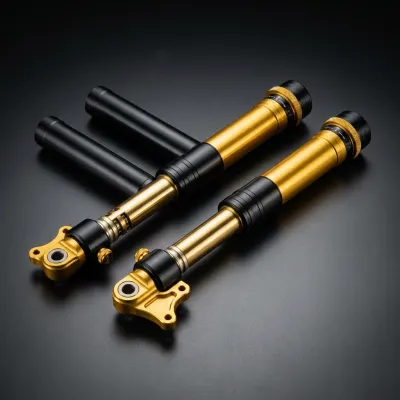
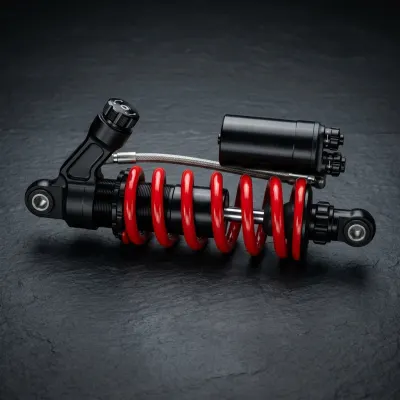
Whether you choose a closed-cartridge internal upgrade (like the EXT Racing ERA Cartridge Kit) or a complete rear shock (like the TB Electric Moto Pro Rear Shock), evaluate these key engineering features:
- Closed-Cartridge Hydraulic Design: Pressurized internal bladder or IFP (Internal Floating Piston) reservoirs keep damping oil separate from air, completely preventing cavitation and damping fade during long downhill descents.
- Independent High- & Low-Speed Adjustments: External clickers for High-Speed Compression (HSC), Low-Speed Compression (LSC), and Rebound allow you to tune plushness for small rocks independently from bottom-out resistance on jump landings.
- Custom Spring Rates Matched to Rider Weight: Always select coil or air spring rates calibrated to your body weight plus riding gear (typically accounting for an additional 15–20 lbs of helmet, boots, and armor).
- Hard-Anodized Low-Friction Coatings: Kashima, DLC, or hard-anodized stanchion and damper body treatments reduce stiction and seal drag, ensuring buttery smooth initial stroke compliance.
Companion Upgrades & Chassis Setup
Upgrading suspension increases cornering speed and chassis loads. Ensure these companion parts are addressed:
- Reinforced Peg Braces & Billet Pegs: Firm suspension transfers landing energy through the chassis down to the footpeg mounts. Installing a GritShift Pro Peg Brace prevents frame damage.
- Correct Sag Setting: Always set rider sag (25%–30% of total travel in the rear, 20%–25% in the front) before riding.
- Tire Pressure Calibration: Ensure tire pressure is optimized (18–22 PSI) so tires absorb micro-vibrations before they reach the suspension.
- Linkage Bearing Maintenance: Clean and grease rear suspension linkage pivot bearings regularly to prevent binding and premature damper shaft wear.
Suspension & Forks FAQ
What is the advantage of a cartridge kit over buying an entire new fork?
A cartridge kit like the EXT ERA replaces all internal valving, damping rods, and springs within your existing stanchions, delivering elite Italian motorsport hydraulic performance at substantial savings compared to complete fork assemblies.
How do I know if my rear shock spring rate is too soft?
If you frequently bottom out on moderate landings, if the rear end sags more than 35% under your weight, or if you have to max out preload to achieve proper sag, you need a stiffer spring.
What is the difference between high-speed and low-speed compression damping?
Low-speed compression controls chassis movements from rider weight shifts, cornering, and brake dive. High-speed compression controls rapid wheel movement caused by square-edge rock strikes, roots, and jump landings.
How often should electric dirt bike suspension be serviced?
Lower fork leg bath oil should be changed every 30–50 hours of ride time. Full damper cartridge overhauls and seal replacements should be performed annually or every 100 hours.
Why is professional installation recommended for fork cartridge kits?
Fork cartridge installation requires specialized tools to bleed damping fluid under vacuum and set exact oil heights. Improper installation can cause air cavitation or hydraulic lockup.